


Fall’s Annual Chore: Understanding the Importance of Leaf Removal
As autumn blankets the landscape with a mesmerizing array of warm colors, it also heralds the annual ritual of leaf removal. This seasonal chore may seem mundane, but its significance extends beyond mere aesthetics. We delve into the art of leaf removal, exploring its benefits and the transformative impact it can have on your outdoor spaces.
When leaves begin to fall, it’s easy to view them as a nuisance cluttering your lawn. However, consider them as nature’s contribution to your garden’s well-being. Fallen leaves are a source of rich organic matter that, when properly managed, can enhance the fertility of your soil. As leaves decompose, they release valuable nutrients, creating a nutrient-rich layer that nourishes your plants.
Effective leaf removal plays a pivotal role in maintaining a healthy ecosystem within your yard. Accumulated leaves can trap moisture and lead to the growth of mold, mildew, and fungi, which can harm both your plants and the environment. By removing them, you not only improve air circulation but also reduce the risk of pests finding a cozy winter home in the damp layers of leaves.
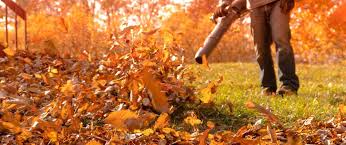
Curb appeal matters, whether you’re planning to sell your home or simply enjoy it to the fullest. A yard blanketed in fallen leaves can give the impression of neglect. Leaf removal, on the other hand, transforms your outdoor space into a pristine oasis that’s inviting to both family and friends. It’s a small investment in time that yields significant returns in the form of an attractive, well-maintained property.
Engaging in leaf removal can be a therapeutic experience, a chance to connect with nature and relish the simple pleasure of being outdoors. The rhythmic act of raking and bagging leaves allows you to immerse yourself in the natural world, offering a welcome break from the hustle and bustle of daily life.
Leaf removal isn’t just about aesthetics; it’s also about environmental responsibility. By properly disposing of leaves through composting or mulching, you reduce the volume of yard waste in landfills. This sustainable approach to leaf removal aligns with the broader goal of reducing our ecological footprint.
In conclusion, leaf removal is far more than just a seasonal chore; it’s an opportunity to cultivate a healthier and more beautiful outdoor environment. By embracing this practice, you not only elevate the appearance of your yard but also contribute to its long-term vitality. So, as the leaves begin to fall, take a moment to appreciate the art of leaf removal and its transformative potential for your outdoor oasis.